RTMind
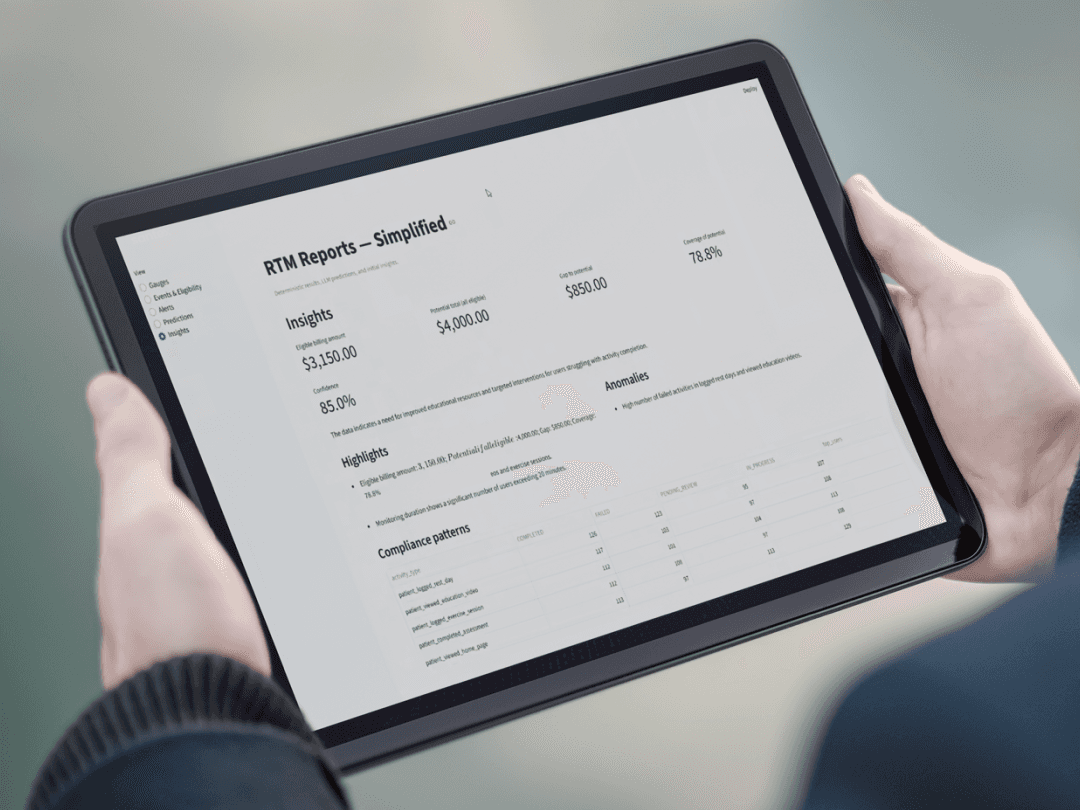
Data simulated for demo use only
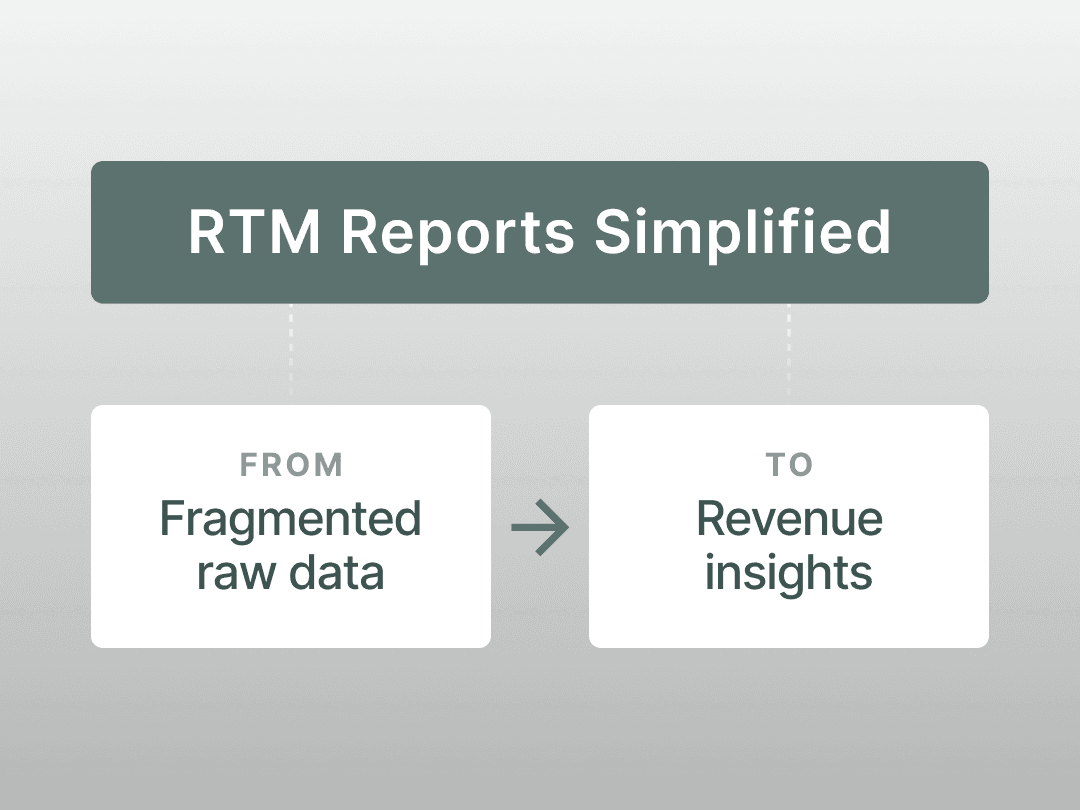
What we built: Turning RTM complexity into billable intelligence
Healthcare organizations operating Remote Therapeutic Monitoring (RTM) programs face a growing challenge: ensuring that monitoring episodes meet evolving billing and compliance requirements.
Regulatory complexity, administrative burden, and billing risk directly impact revenue and operational efficiency.
We developed an AI-powered assistant embedded within clinical workflows to proactively optimize RTM eligibility and reduce operational friction.
The Challenge: Compliance complexity + billing risk
Healthcare teams face:
Complex and evolving compliance requirements tied to RTM eligibility.
Ongoing regulatory updates impacting billing conditions.
Manual reconciliation of patient activity against billable thresholds.
Risk of non-billable episodes, leading to lost revenue.
Audit exposure due to insufficient or fragmented documentation.
Reactive care coordination driven by generic alerts.
Manual generation of compliance reports from disconnected systems.
Care coordinators lack clear, proactive guidance on:
Which patients are at risk of non-compliance.
What actions are required to meet billing thresholds.
Which RTM billing codes are applicable.
How we built it: AI-Powered RTM Optimization Assistant
Scope: Workflow-integrated assistant
Hypothesis
RTM revenue capture and operational efficiency improve when care teams gain a clear, automated understanding of billing eligibility directly within their workflow.
The assistant:
Analyzes structured clinical data (patient activity, system records).
Processes unstructured inputs (alerts, regulatory guidelines).
Evaluates RTM billing eligibility criteria.
Categorizes patients by compliance status.
Generates proactive, actionable recommendations within the workflow.
Instead of reacting to alerts, care teams receive prioritized insights that guide decision-making.
How we apply AI
Large language models as a reasoning layer.
Semantic analysis of anonymized regulatory frameworks.
Retrieval-based logic to map patient activity to billing rules.
Hybrid processing of structured and unstructured data.
The system:
Evaluates compliance against regulatory criteria.
Identifies eligible billing codes.
Detects optimization opportunities.
Generates reporting-ready insights.
Business value
Increased RTM revenue capture.
Reduced administrative overhead.
Lower audit risk through structured documentation.
Proactive compliance management.
Faster validation of billing readiness.
RTM shifts from an operational burden to a structured revenue optimization capability.
Measurable & strategic impact
Clear visibility into billable vs. at-risk episodes.
Reduced manual reconciliation workload.
Improved reporting accuracy.
Stronger positioning as a scalable, compliant digital health solution.
Risks & considerations
Evolving regulatory landscape.
Billing compliance exposure.
Transition from test environments to production data.
Potential bias in automated reporting.
Mitigation includes:
Use of anonymized datasets.
Human validation layers.
Continuous updates to regulatory logic.
Transparent recommendation criteria.
The team

Gerardo Pivotto
Lead Devops

Martin Cardoso
DevOps

Daniel Quiroga
DevOps

Julio Martin
CTO
Industries
Healthcare
More Projects
Winner
AIAIOH
2nd Place
KnowFlow AI
3rd Place
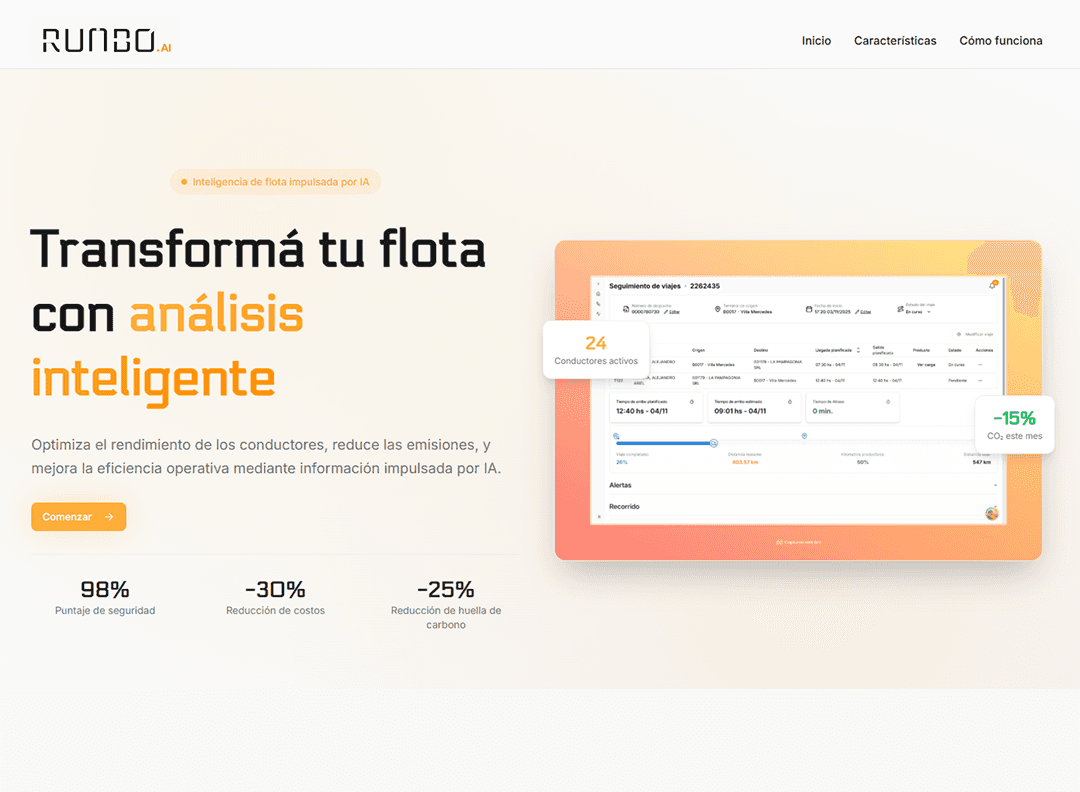
Rumbo.AI
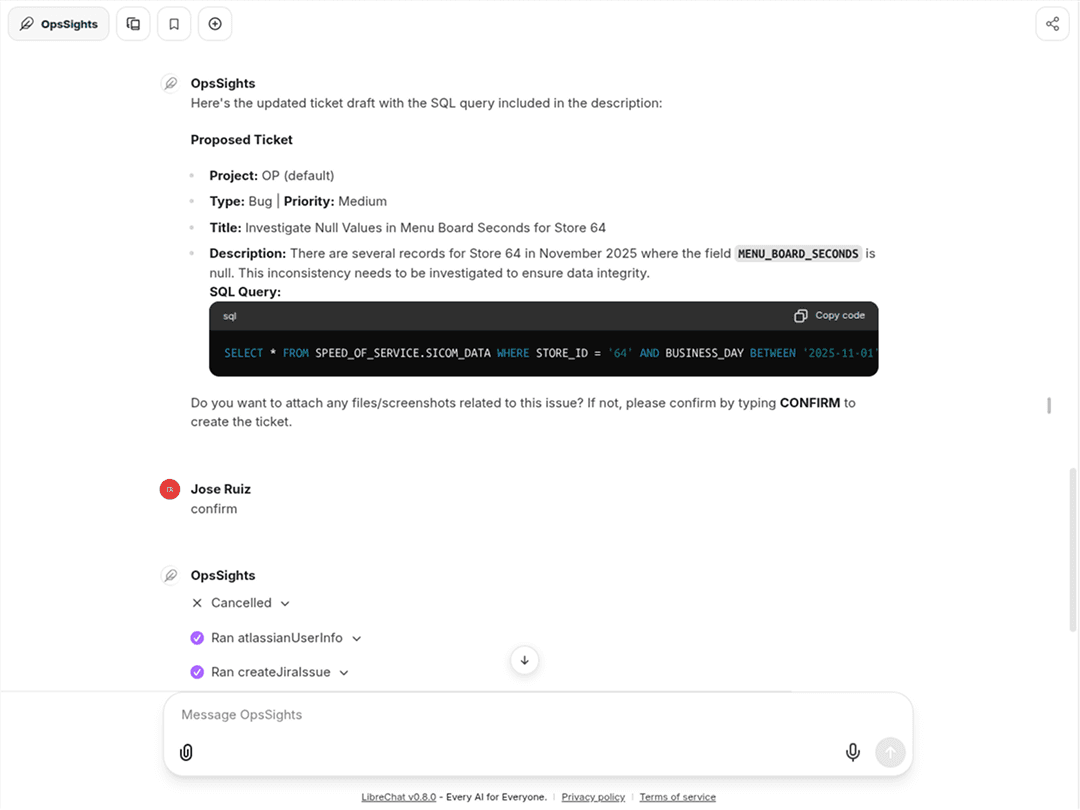
OpsSights
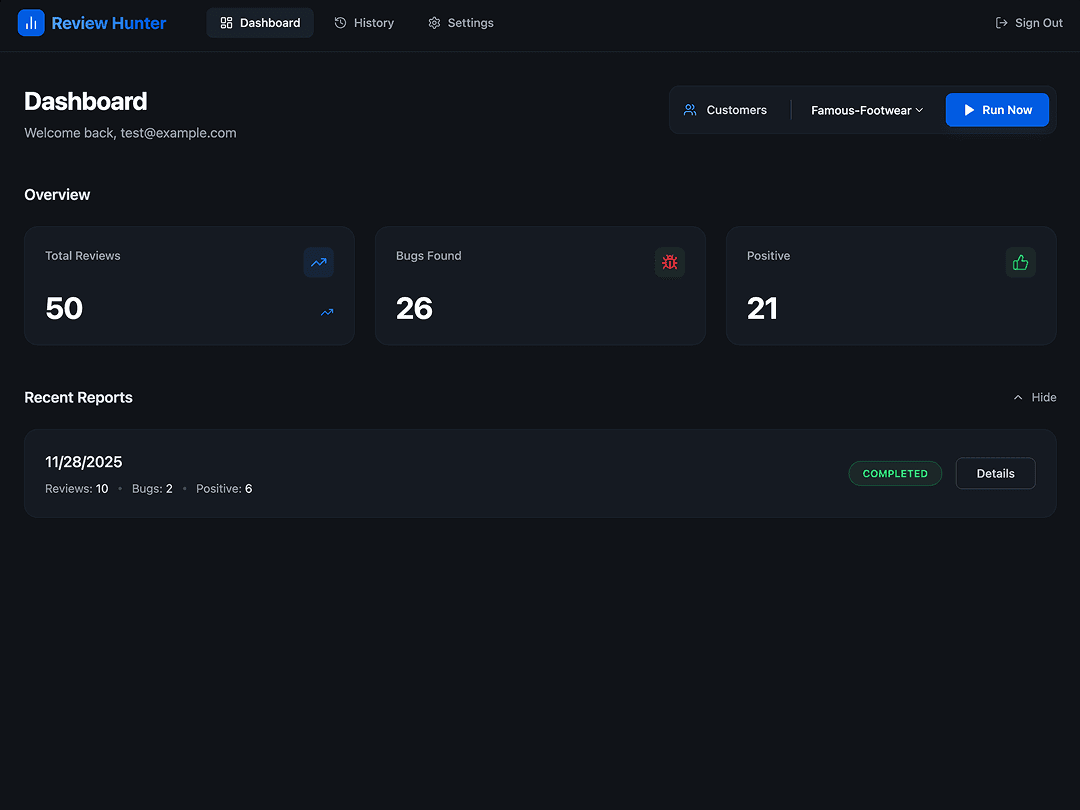
Review Hunter
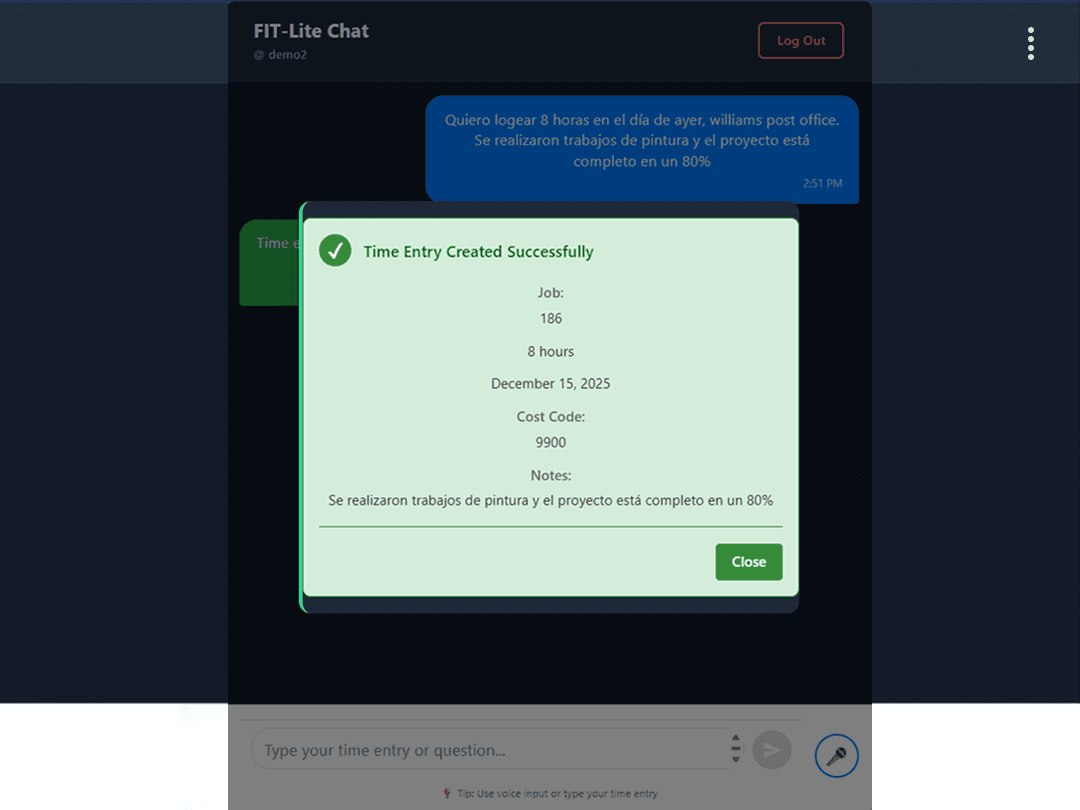
TimeFlow AI
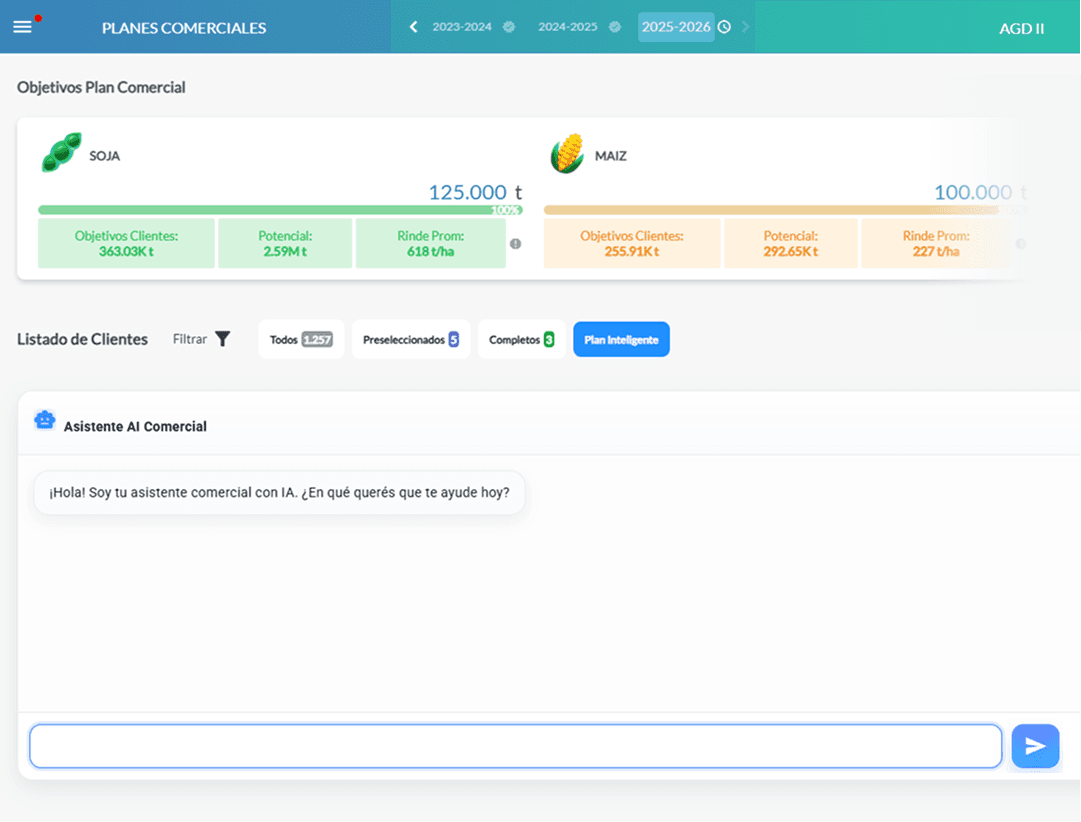
Planting AI
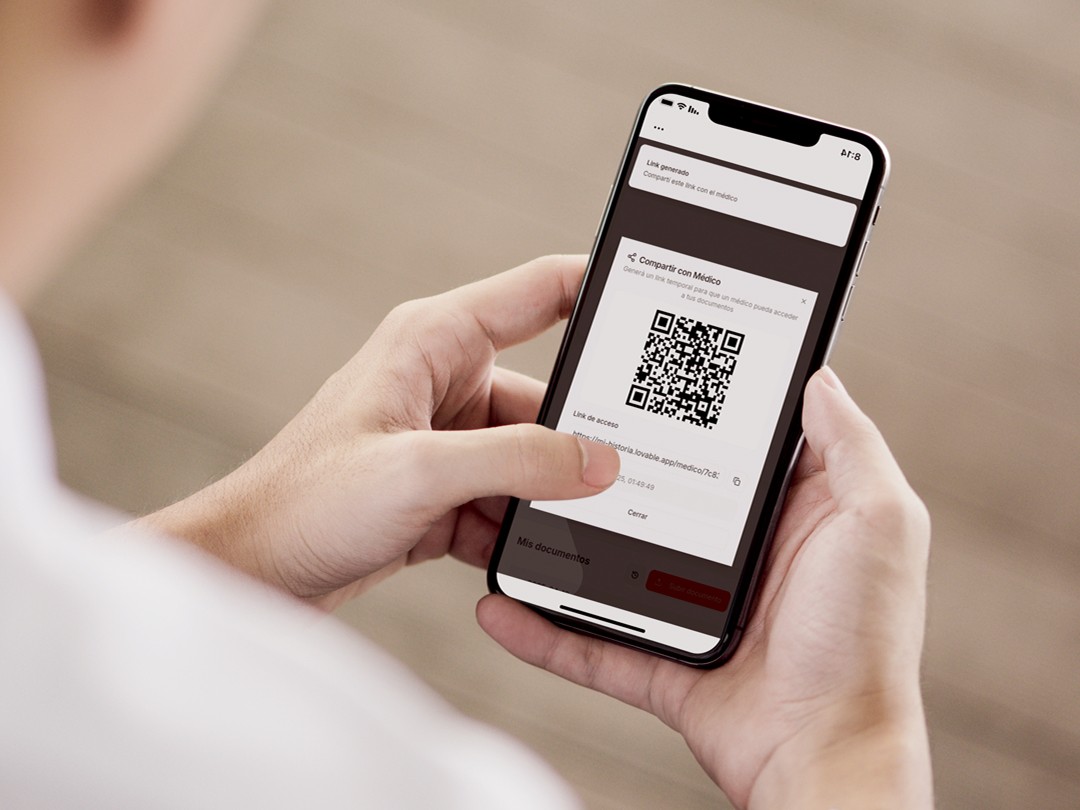
MiHistorIA: Patient-centered unified medical record
Reskilling for the Future
Learning turned into action
We are a community driven by curiosity and collaboration. Reskilling is part of our everyday practice because change happens through us. The future is made by believers, and the revolution is human.