QAiAx

Data simulated for demo use only
What we built: A Smarter Way to Guarantee AI Response Quality
Conversational AI assistants are quickly becoming a key channel for digital customer and citizen support.
In service organizations, these assistants help answer common questions, guide users through processes, and reduce operational workload for support teams.
However, as adoption grows, organizations face new challenges related to response accuracy, quality control, and trust in AI-generated answers.
The Challenge: Ensuring accuracy while protecting institutional trust
For our clients, one of the biggest barriers to scaling conversational assistants is the lack of reliable quality assurance mechanisms.
Common issues include:
Inaccurate or inconsistent responses.
Difficulty evaluating semantic quality.
Risk of inappropriate or misleading answers.
High costs associated with manual review processes.
For organizations interacting with thousands of users, these risks can directly affect trust, reputation, and user experience.
How we built QAiAx: a quality assurance layer for AI assistants
To address this challenge, we developed QAiAx, a platform designed to evaluate and monitor the quality of AI-powered conversational assistants.
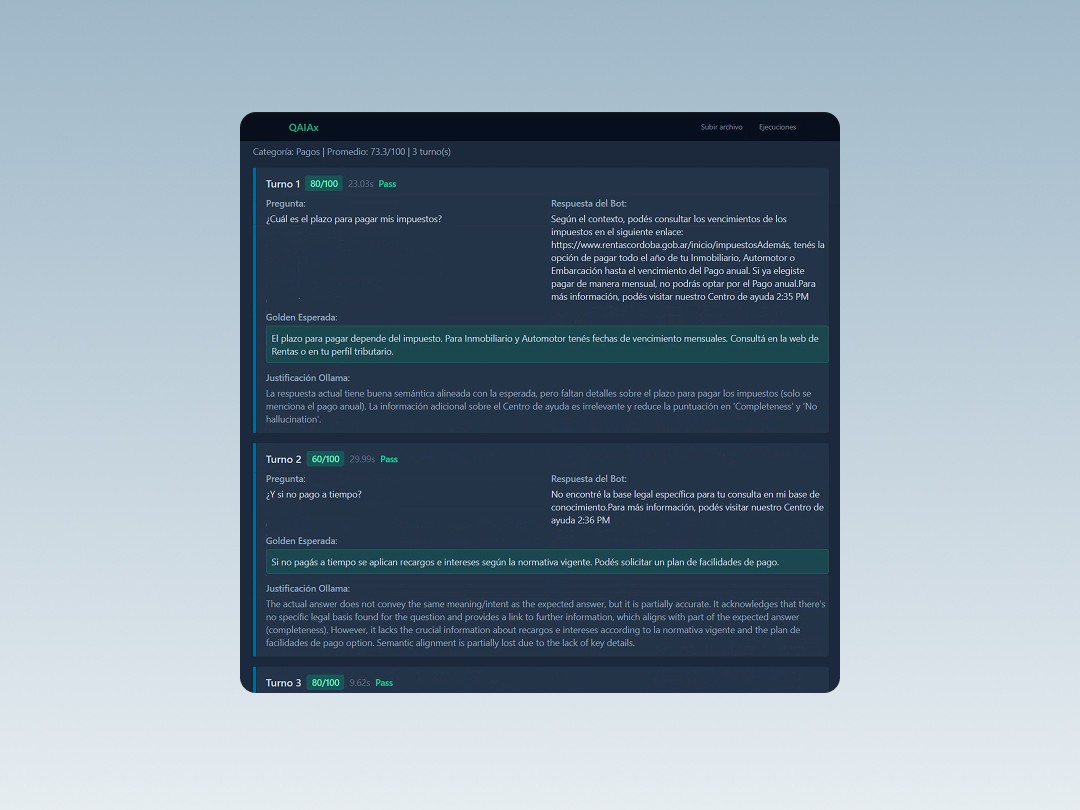
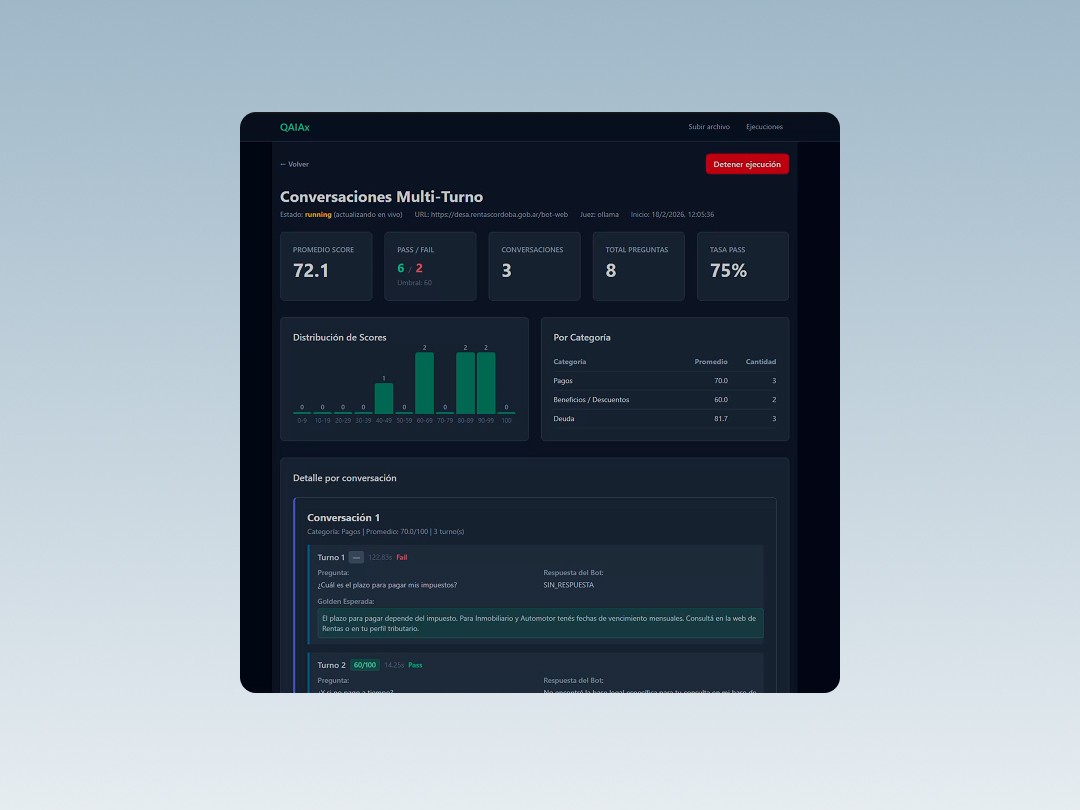
The solution introduces an automated evaluation system that measures the accuracy of assistant responses and identifies potential issues before they impact users.
QAiax acts as an intelligent verification layer, helping organizations improve the reliability of their AI-driven interactions.
How It Works
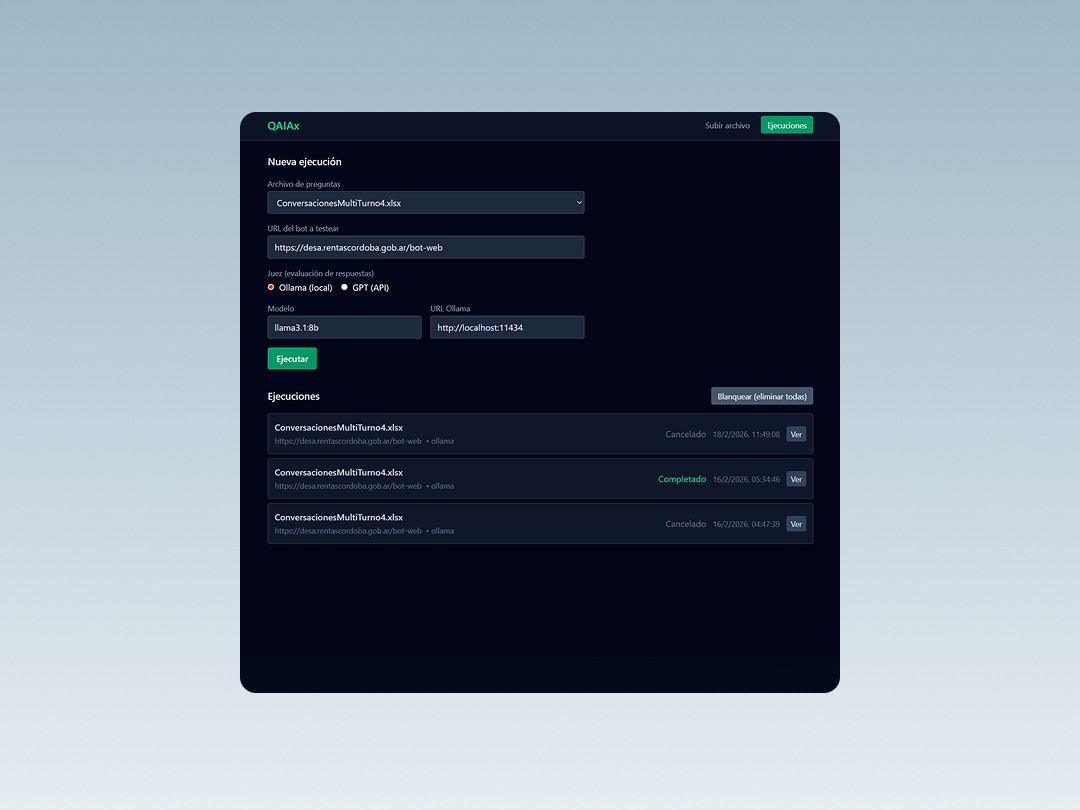
Automated evaluation using reference answers and AI judging models
The system is built around a three-part evaluation framework:
QA Model
A structured set of questions designed to test the assistant across relevant scenarios.
Golden Answers
Verified reference responses used as the benchmark for evaluating assistant outputs.
Judge Model
An AI model that evaluates the semantic quality of each response, determining its accuracy, coherence, and alignment with the expected answer.
This framework enables consistent and objective evaluation of assistant performance.
Key Capabilities: Continuous monitoring and AI quality diagnostics
QAiax includes several features designed to maintain quality at scale:
Direct interaction diagnostics with the assistant.
Continuous monitoring of production responses.
Integration with verified knowledge sources.
Semantic quality evaluation of answers.
Performance dashboards with key metrics.
These capabilities allow organizations to detect issues early and continuously improve assistant performance.
Expected Impact: Building trust in AI-powered conversations
Introducing an AI quality assurance layer like QAiax can significantly improve conversational AI reliability.
Expected benefits include:
More accurate responses.
Reduced risk of incorrect information.
Stronger trust in AI-driven interactions.
Improved user experience.
Automated monitoring also reduces the need for time-consuming manual evaluations.
From PoC to Product
QAiax represents the first step toward a comprehensive AI Quality Assurance platform for conversational systems.
As it evolves into an MVP, the platform could expand to include:
Automated evaluation of new conversational models.
Benchmarking across assistant versions.
Early detection of response quality degradation.
Automated behavioral audits for chatbots.
The long-term vision is to make AI quality assurance a core component of every conversational system lifecycle.
The team

David Tissera
Software Engineer

Nahuel Seiler
Developer BE

Pablo Santiago
Scrum Master

Facundo Pasqua
QA

Juan Olivares
DM

Jeremías Goñi
Developer BE
Industries
GovTech
More Projects
Winner
AIAIOH
2nd Place
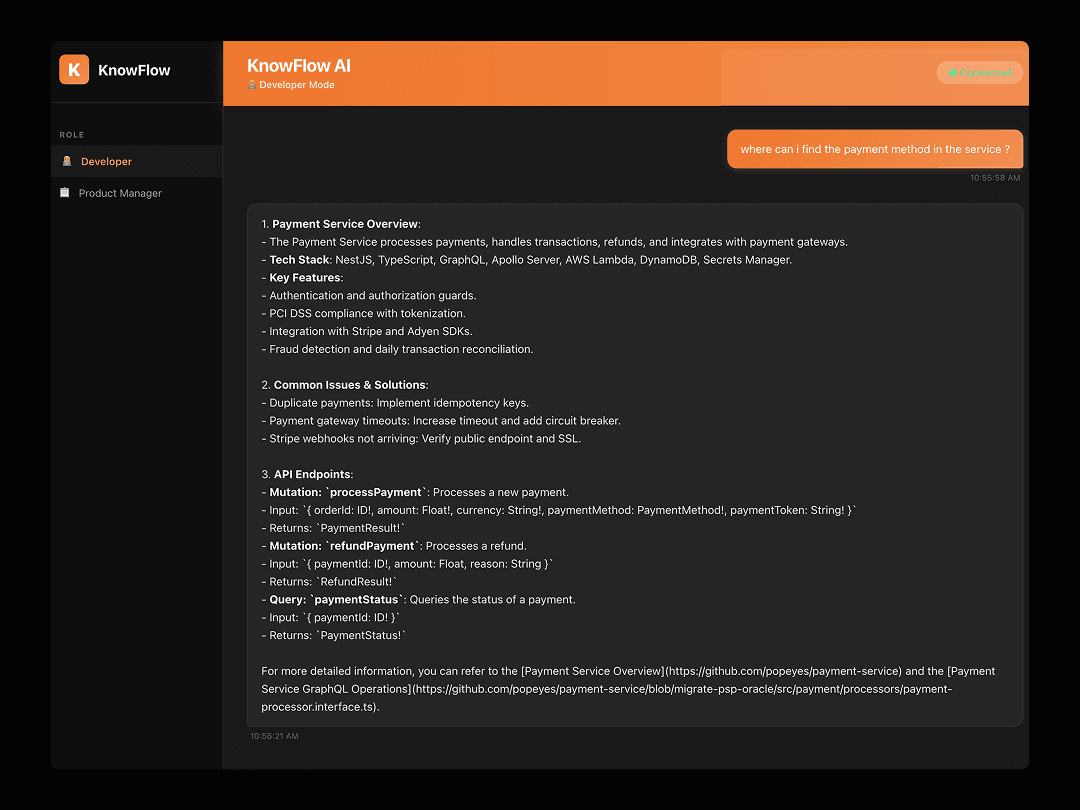
KnowFlow AI
3rd Place
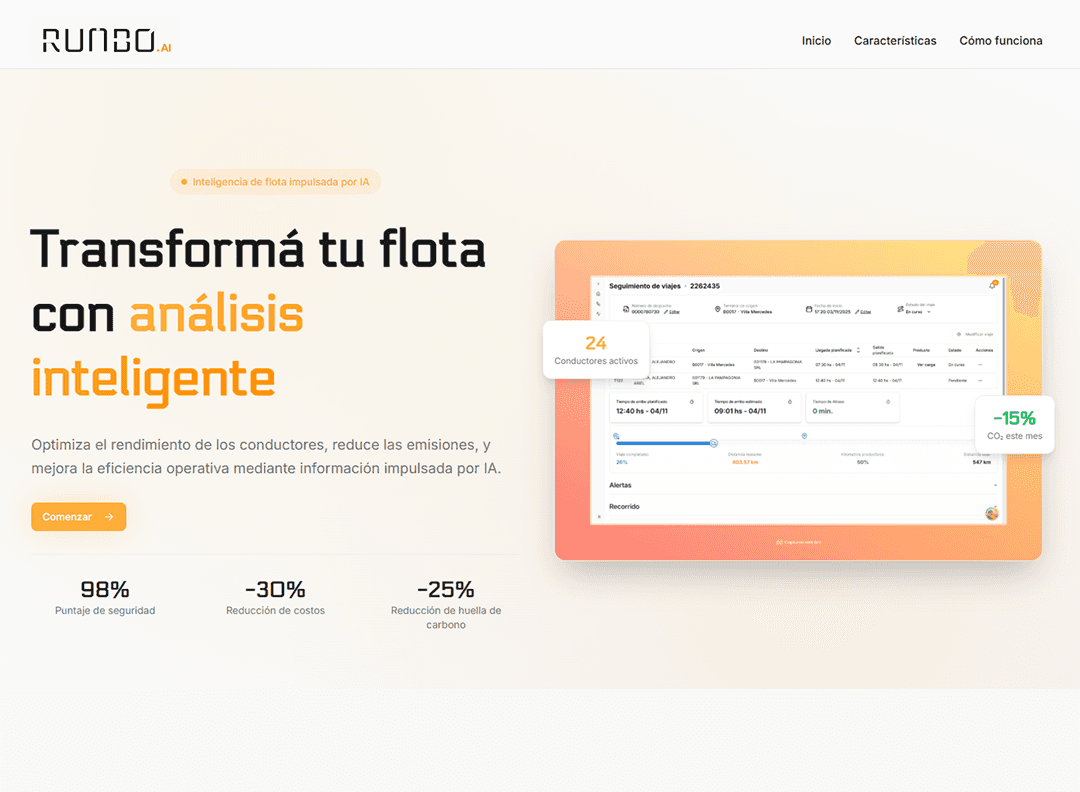
Rumbo.AI
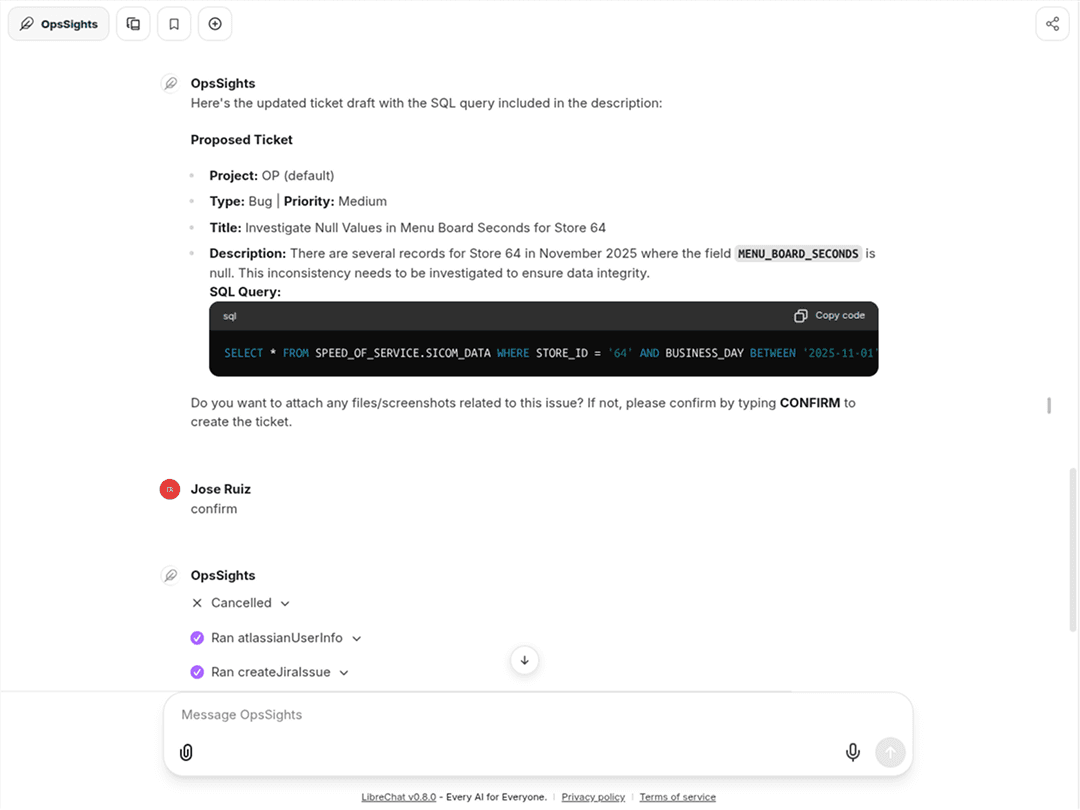
OpsSights
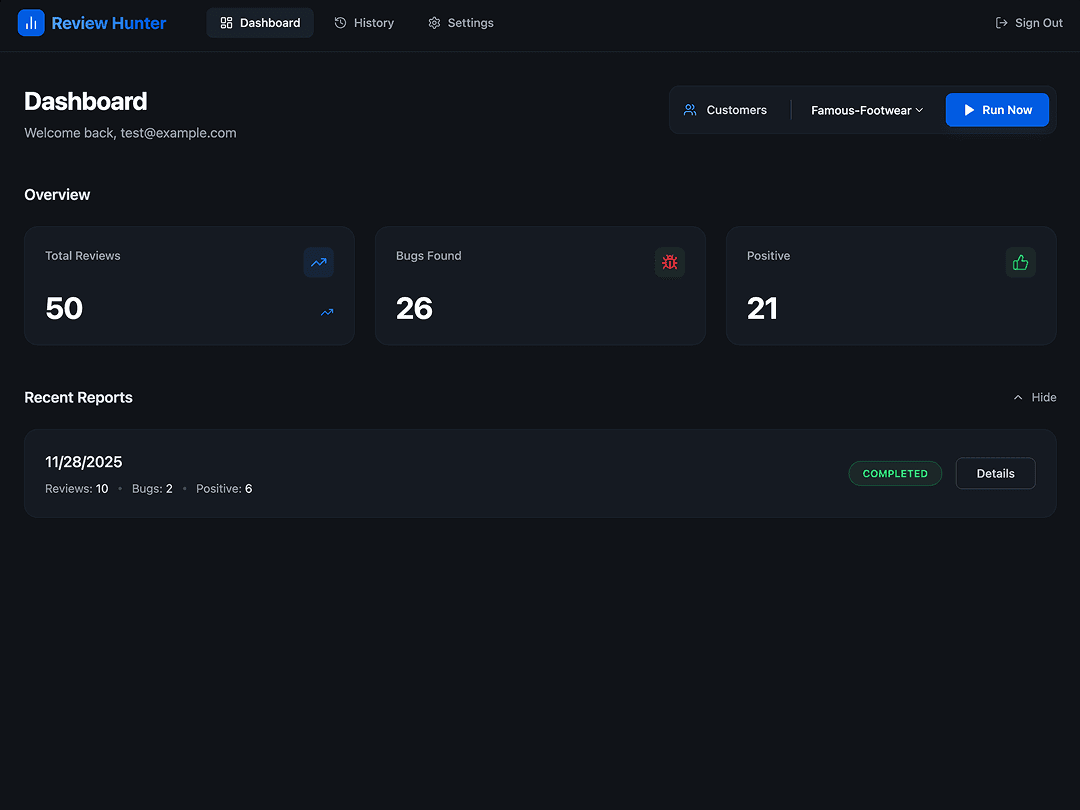
Review Hunter
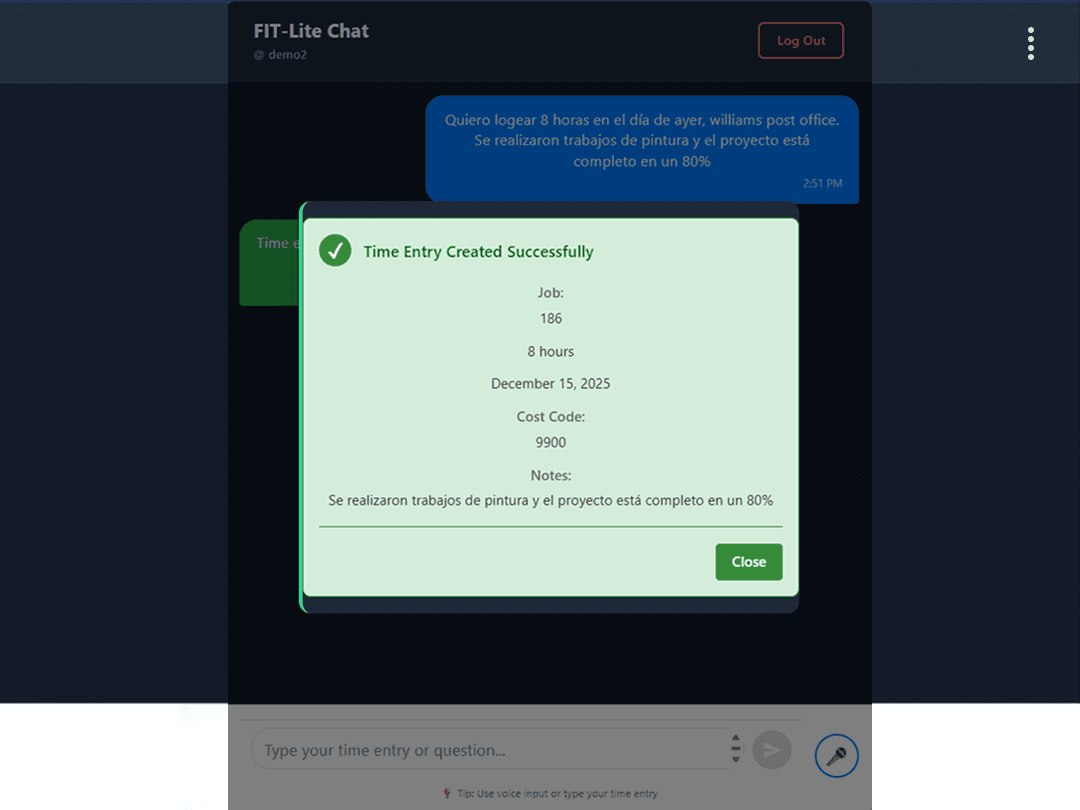
TimeFlow AI
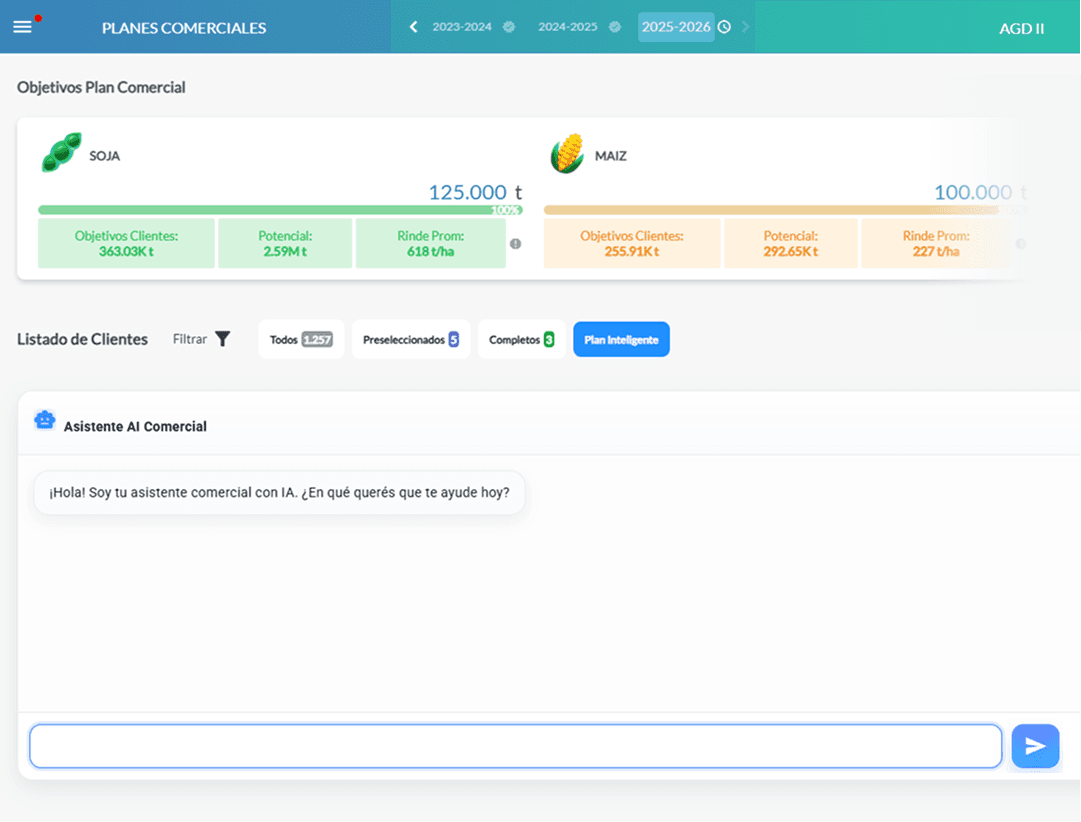
Planting AI
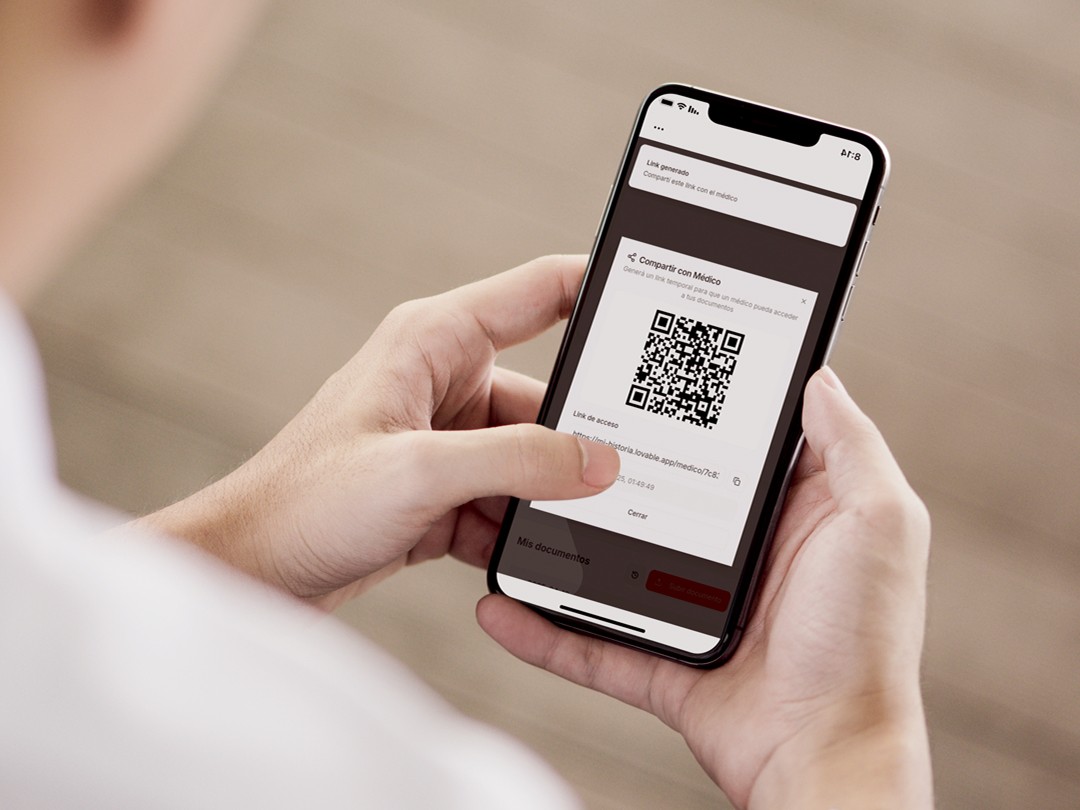
MiHistorIA: Patient-centered unified medical record
Reskilling for the Future
Learning turned into action
We are a community driven by curiosity and collaboration. Reskilling is part of our everyday practice because change happens through us. The future is made by believers, and the revolution is human.