AI Troubleshooting Assistant
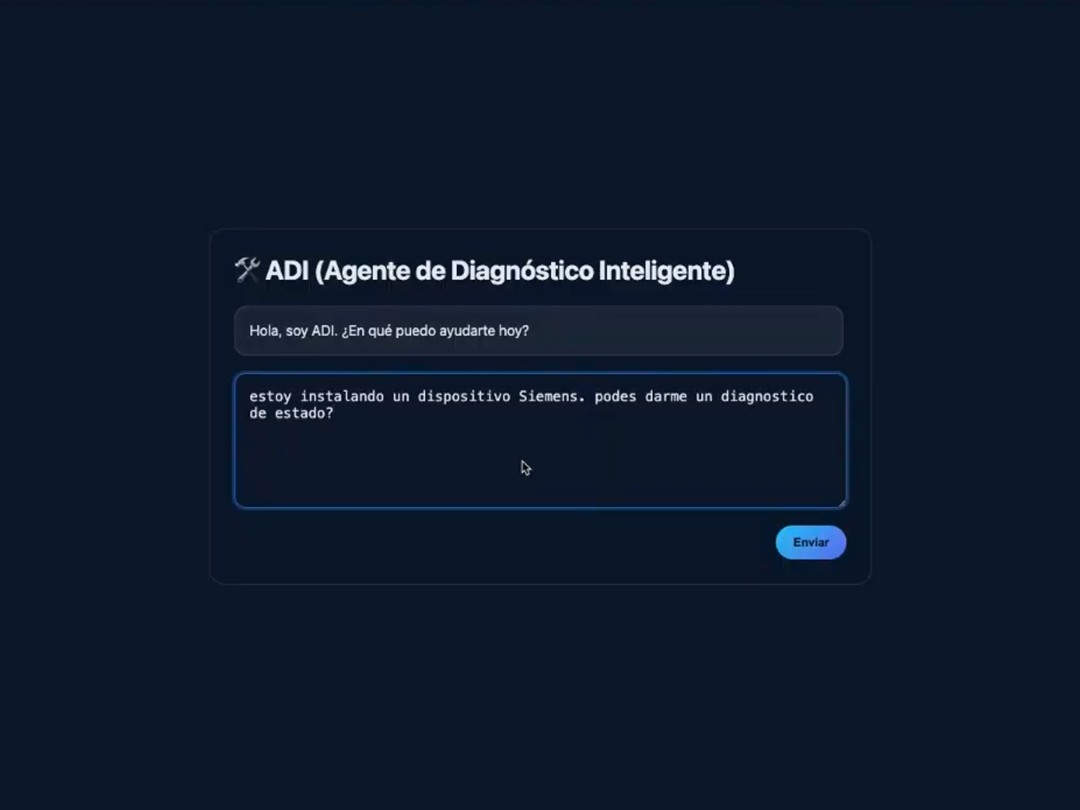
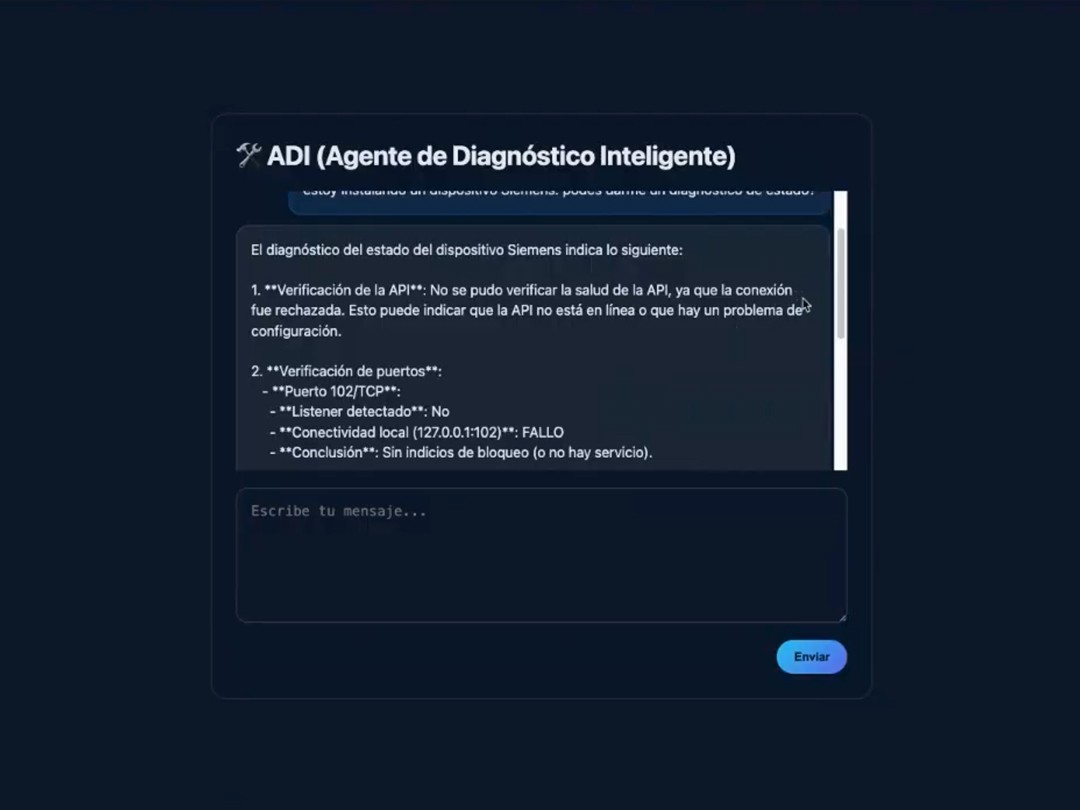
Data simulated for demo use only
Overview: The challenge of resolving unexpected errors during system deployments
In complex software deployments, installations are typically carried out by technical teams working directly within the target system environment.
When unexpected errors occur, resolving them often requires assistance from development teams that do not have direct system access.
This creates a slow and inefficient troubleshooting process, involving multiple exchanges between on-site teams and remote developers.
The Challenge: Slow diagnostics and dependency on development teams
When a rare or unexpected issue occurs during installation, technical teams must rely on development support to understand what is happening.
The process usually involves:
Describing the issue via phone or chat
Executing commands manually
Reviewing system logs step by step
Waiting for further instructions
This approach introduces operational friction, consumes valuable time, and delays resolution.
How we built an AI-powered diagnostic assistant
To address this challenge, we developed an AI-powered diagnostic assistant that operates directly within the installation workflow.
The tool analyzes logs, system diagnostics, and operational data to identify possible root causes and suggest solutions in real time.
This enables technical teams to quickly understand what is happening and resolve issues without constant reliance on development support.
How It Works
AI-driven diagnostics using logs, commands, and health checks
The agent integrates several capabilities to support technical troubleshooting:
Technical knowledge base
Centralized information about known issues, configurations, and resolution procedures.
Automated health checks
Evaluates the platform status and detects inconsistencies or failures.
Command execution
Allows technicians to run diagnostic commands directly from the interface.
Intelligent log analysis
AI interprets system logs and detects patterns associated with known issues.
Using these inputs, the assistant provides diagnostic insights and recommended actions to resolve the problem.
Expected Impact
Faster troubleshooting and reduced support workload
Introducing an AI diagnostic assistant can significantly improve support operations during system installations.
Key benefits include:
Faster incident resolution
Reduced dependency on development teams
Increased autonomy for technical teams
Improved end-user experience
By minimizing manual troubleshooting, teams can focus on higher-value activities.
From PoC to Product: A step toward autonomous installation environments
This assistant represents the first step toward a new generation of automated diagnostic tools.
As it evolves into an MVP, the solution could incorporate:
Continuous learning from new incidents
Predictive diagnostics based on historical patterns
Integration with monitoring platforms
Partial automation of corrective actions
The long-term goal is to transform system installations into a faster, more autonomous, and reliable process.
The team

Cinthya Hidalgo
Delivery Manager

Maximiliano Márquez
Full Stack Developer

Emiliano Daza
Full Stack Developer

Franco Piemontesi
Full Stack Developer
Industries
AI Agents
More Projects
Winner
AIAIOH
2nd Place
KnowFlow AI
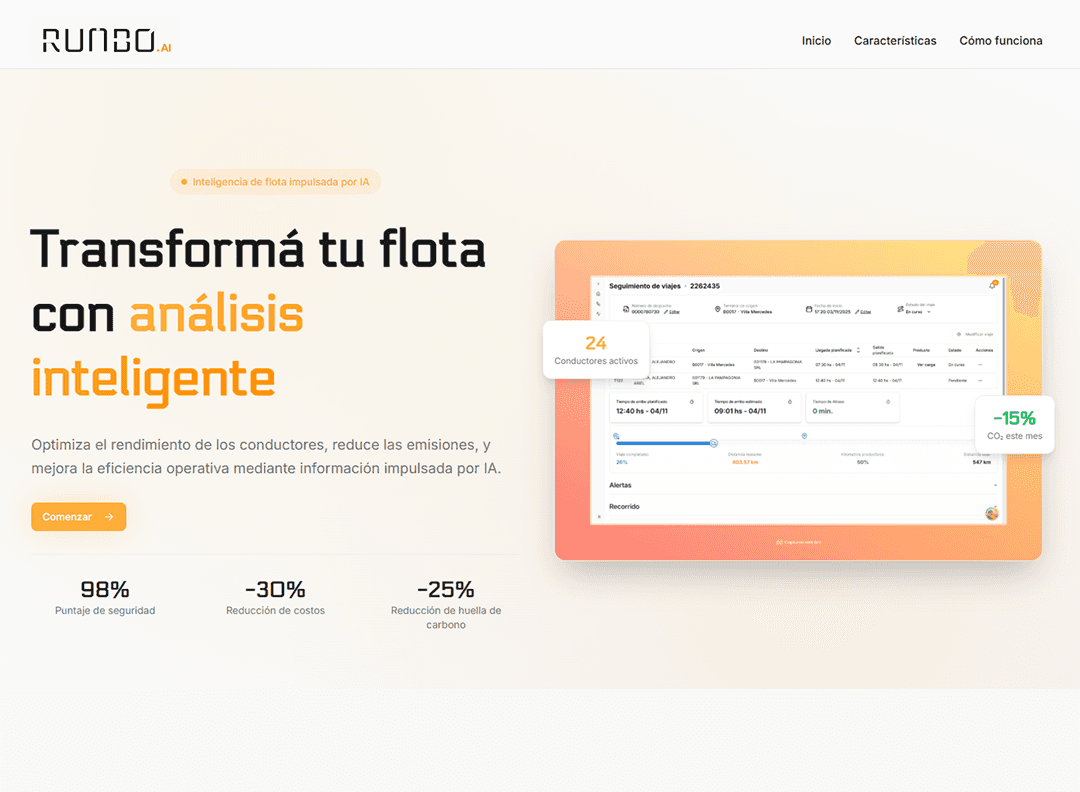
3rd Place
Rumbo.AI
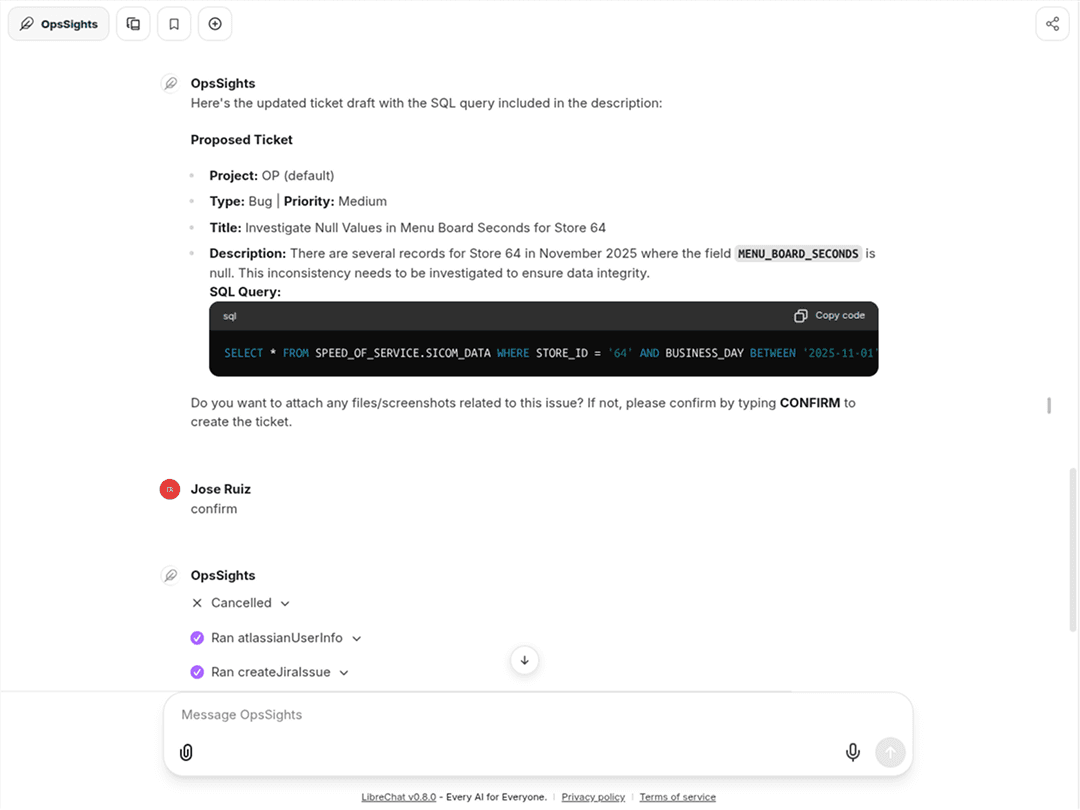
OpsSights
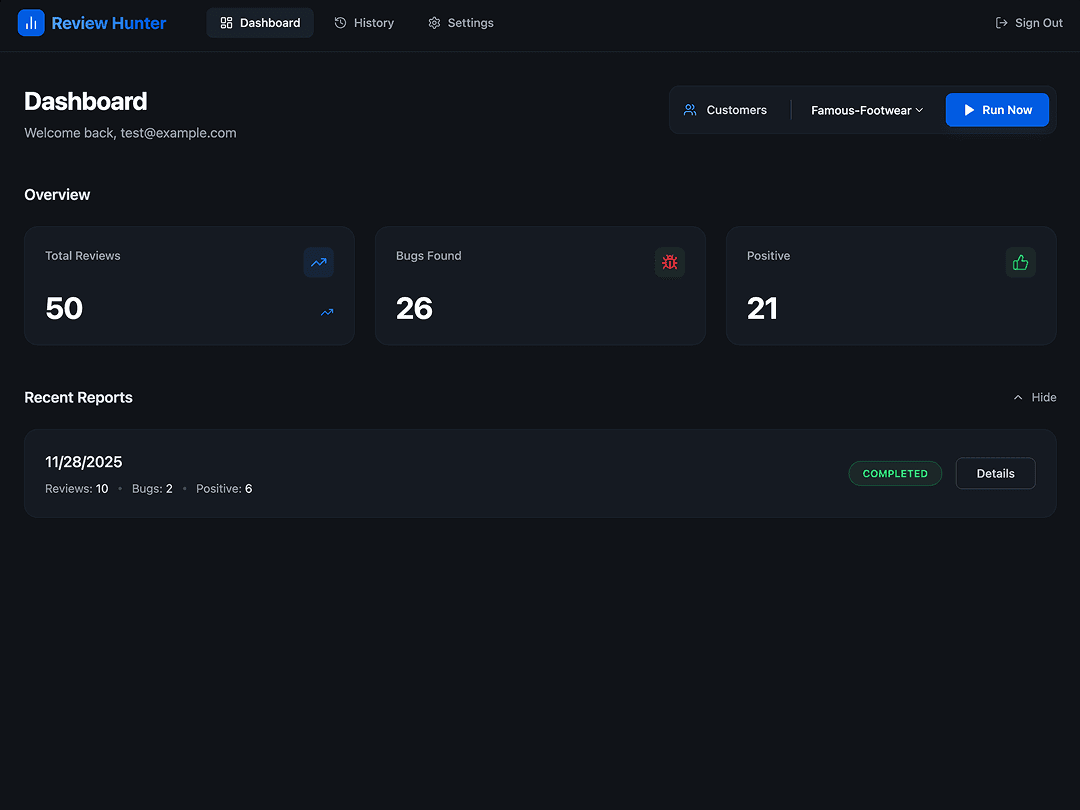
Review Hunter
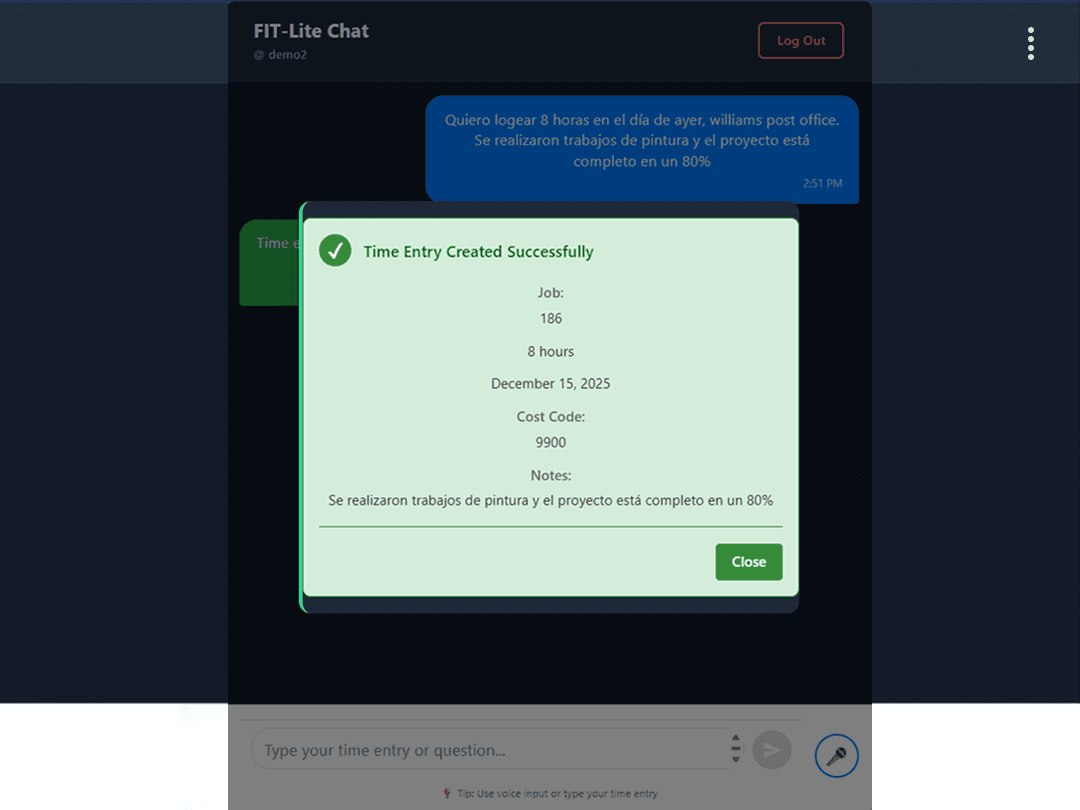
TimeFlow AI
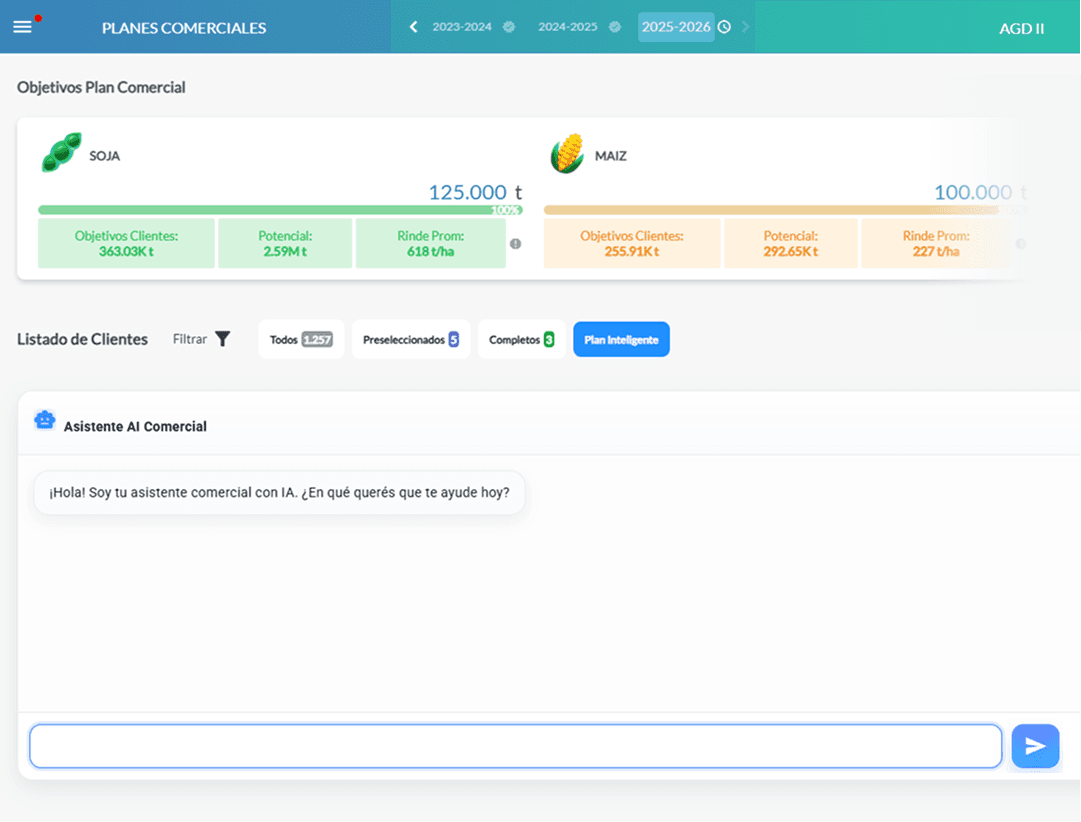
Planting AI
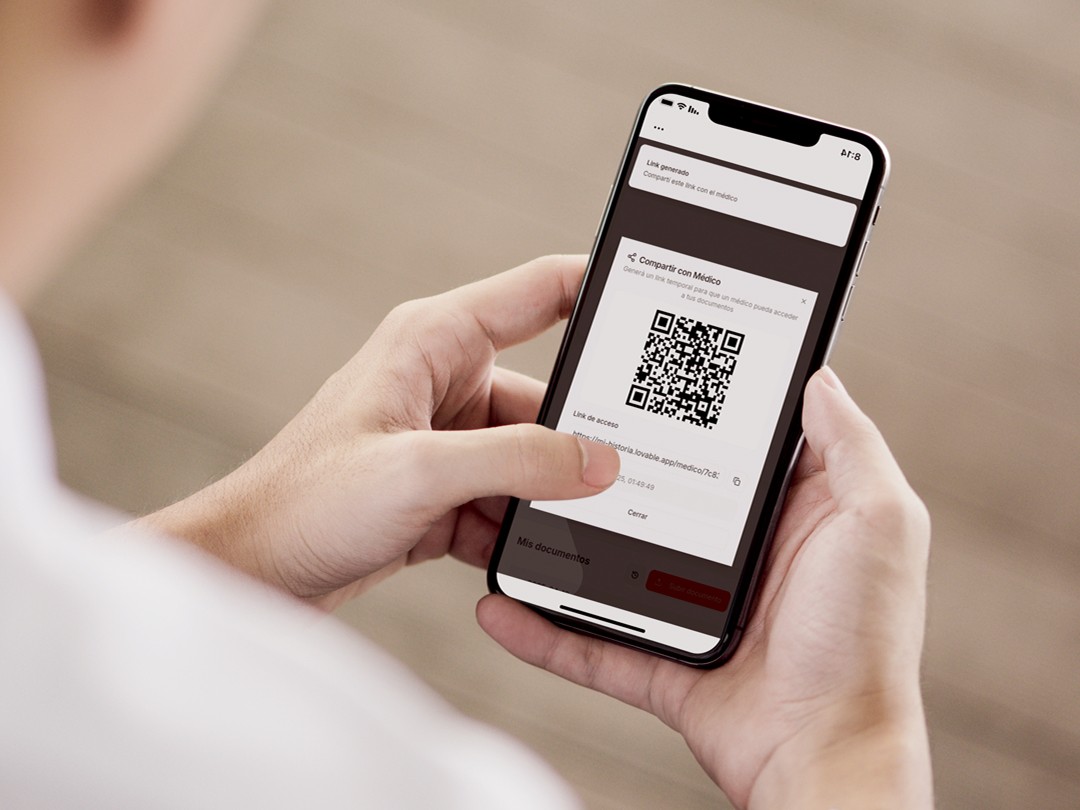
MiHistorIA: Patient-centered unified medical record
Reskilling for the Future
Learning turned into action
We are a community driven by curiosity and collaboration. Reskilling is part of our everyday practice because change happens through us. The future is made by believers, and the revolution is human.